Friday, February 27, 2009

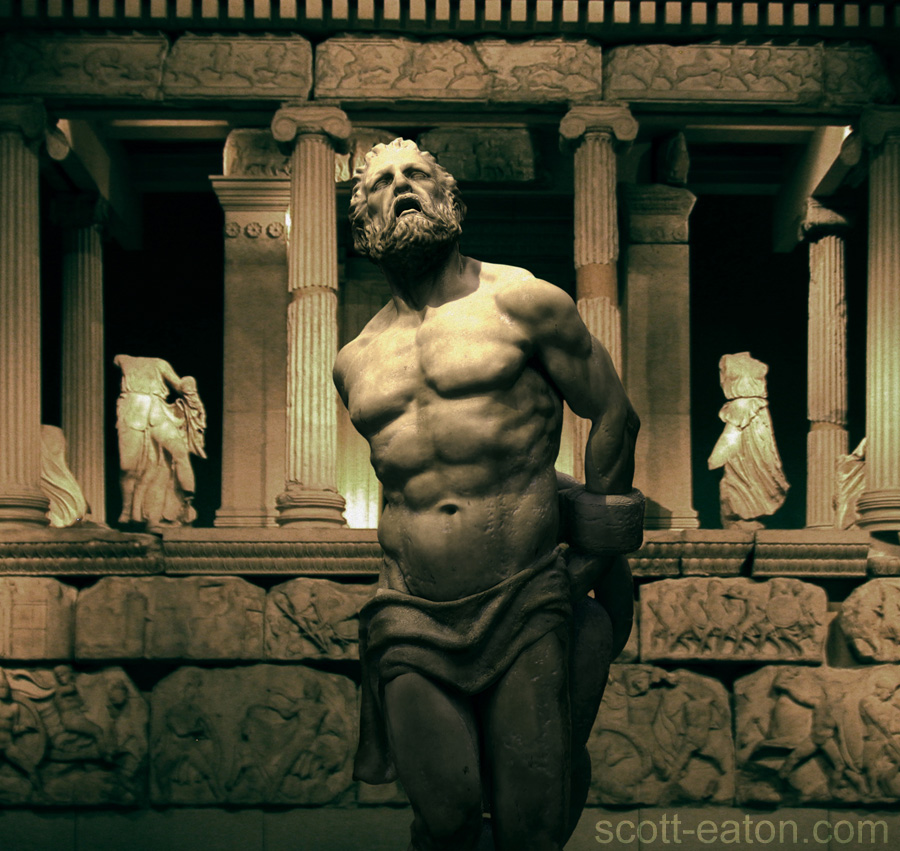
Oh, my dear Dr. Frankenstein...


TO RIGHT: Luzern, Switzerland

The bizarre thing about Switzerland is this: every single view is postcard-perfect. It's almost freakishly beautiful in terms of aesthetics.


... and the Swiss have fantastic desserts.


TO LEFT: A view of the Rhein River in Germany...

... Germans, also, have excellent desserts. I suggest the pastries and cakes.


More on Frankenstein:

- After the Delaceys reject the monster, he rejects humanity. He also seeks out Victor F, to request a female counterpart so he won't be lonely. Victor wants to make the second monster before he marries Elizabeth, but destroys the unfinished monster to prevent it from reproducing with the first.

- The monster extracts revenge on Victor through his family - he kills Elizabeth, in addition to the murders of William and Justine Moritz, and Clerval.

- What if there is no monster?? Are Victor and the Monster one and the same person? Is this a possible argument for the novel? If so, why does Victor wants his loved ones to die - why does he want to kill them? (2 research questions)

AGAINST: Why would Victor kill, in the guise of the monster, these people he loves so much?

FOR: The following are quotes from Victor; each uses the word "wretch", which the monster applies to himself just as often.

"During the whole of this wretched mockery of justice I suffered living torture."
"I passed a night of unmingled wretchedness."
"I, a miserable wretch, haunted by a curse that shut up every avenue to enjoyment."

- Is this wretchedness Victor achieves on purpose?

- Why would a person want to be completely alone? Is it part of a person's possible believe that others could hurt him?

- Even the monster wants a mate - people are social animals, and if even a manufactured human being wants a mate that is its equal, how can Victor really want to be alone? Could he just want an equal, and could he feel he is too horrible for as innocent and virtuous a woman as Elizabeth?

- Look at the times when Victor calls himself satanic, and see how Walton, and even the monster, worships him. This satanic hero is willing to defy limits put to him by authorities and G-d to the death and the loss of everything you love - is this admirable or genuinely heroic? Or is Shelley saying there's something suspect about it? Is the kind of neglect Victor inflicts on his family good? - is this connected to the novel form, to sci-fi? Victor is daring, independent, unafraid of voicing his opinions, and a force in character (see how often Walton remarks on the impression he has of Victor's person). Whether or not one agrees with his actions he gets what he sets out to get: when he decided on an education, he left home and dove into a chosen field. When he felt set on the project, he pursued the project until its awful conclusion. When he decided the monster had to die, he never wavered from that plan. How many people in his life die through no fault of their own, though? A lot. Victor's life and talents are wasted in a pursuit anyone would have called insanity, and not just because it was seen as impossible. His G-d complex gave him a disregard for others the like of which I haven't seen often in literature (and that's saying something, considering literature is filled with similarly great, egotistic characters). I prefer to think Shelley thinks this kind of behavior very suspect - especially when compared with other, more sedate, less radical characters, like Elizabeth and Victor's father, who both suffer their personal grievances in quiet so as to support the family unit. They put themselves last on their lists, while Victor always put himself first.

Assign: Google "Hero Machine"; make a hero out of one of the characters in Frankenstein.

Wednesday, February 25, 2009

"Frankenstein" class notes!

Class notes on Frankenstein:

- Shelley was 19 when she wrote this novel!

- The monster could represent art, AND it could represent that, if you bring up children properly, you'll be helping to make a better world.

- Thomas Day - novelist; adopted 2 children (to train as the perfect wife - he got two so he had one back-up girl); he didn't teach them anything, he wanted them to learn everything for themselves so they wouldn't have prejudices. Ex: he let them stick their hands in fire. His two girls grew up to be schizophrenic!

- William Goldwin: pointed out that peasants had grown up taught by aristocrats, who taught that rulers ruled through killing. They were badly taught, in essence.

- (And then we danced... oh, the mortification... of dancing... in front of classmates.. to Rihanna).

- Victor's leaving Frankenstein, and the violence the monster is subjected to, are two forms of incorrect teaching. (Comparison to Columbine tragedy made).

- Does the monster make a moral choice? Morals are taught mostly by parents and other sources of authority - without either, can one have a moral compass?

- Do parents use their children to prove something? (To each other, to other people, etc). What are motivations for parents to do things like enroll their kids in violin classes, clubs, sports, etc.? Using that ultimate, unconditional love parents have for their kids as a compass, parents would want to provide everything for them. They see genius and absolute beauty in their offspring, and they want to encourage its growth. Parents like doing things for their kids that make them happy - impressing or pleasing a child is gratifying. It is also a way to keep kids occupied, so the parent does not have to deal with them as much. Some parents really don't know what to do with their kids when left alone with them for an extended period of time. Almost as bad is the parent who pushes the child to excel at something he or she failed at in childhood - finding success in the subsequent generation, and being able to say, "I got her/him involved in that club, I got the star of that team where he/she is now." Parents are still human.

- What happens if a children is made to live out his/her parent's wishes, or made to prove something? You get a really confused child. You get a child who has to put extra work into figuring out what he or she enjoys and wants to do with her or his life. That child looks towards the parents for approval on everything, instead of building up a sense of success and failure within themselves. The kid also runs the chance of growing up to be neurotic, weak-willed, and dependent.

- He kills William, knowing him to be Victor's brother, and he frames Justine, proving that he knows something of right and wrong - how much is this like a child trying to get attention from his/her parents? He does it just to get Victor's attention.

- Does a creator owe its creation happiness? I think a creator owes its creation the means to be happy - how to be happy, how to go about making yourself happy, given the proper restraints and constructs.

- Deterministic - nurture, not nature - argues that a child doesn't have any morals or personality for itself.

BELOW: Gene Kelly dancing with Jerry the Mouse. My point being: we did NOT look like that, unfortunately!

Monday, February 23, 2009

More class notes on "Frankenstein"

(At left: Meet Frankenstein the Great Dane puppy) :)


Why the intense desire to prevent someone from dying - to create life?

- It's the ultimate power, the divine power - ergo, sheer ambition.
- He'd like to have prevented his love from dying.
- It would prevent his "child" from dying, since he can bring him back to life again.

Why is it worse to be alive and watch your children die?

- You want to see them live their life to its fullest, and dying early is not that.
- The love for your children is so intense, they can hurt you the most - if they died, it'd hurt so much more. Is this a reason not to have children?
- Staying aloof, from love and having children, keeps one from getting hurt - a selfish thing to do, but understandable.

- Story of Prometheus
- "Prometheus Unbound" (Victor is the modern Prometheus)
- "Rhyme of the Ancient Mariner"
- "Alastor"

WHY WOULD YOU KILL SOMEONE OR SOMETHING THAT LOVES YOU? WHY WOULD YOU WANT THE OBJECT OF YOUR MOST INTENSE LOVE TO DIE? You love them so much it hurts. When you value something that much, the possibility of not having it in the future is as painful as it is terrifying. No one wants to live with terror and pain continuously, but loving as completely as parents love their children or spouses love each other is scary. It's a fright that never goes away. If you make that object of love go away,you'll have a part in dictating where it goes. That kind of control, even used destructively, means control over yourself and your life. People want control.

- "Unconditional, deep, divine love is scary as hell... when someone really deeply loves you, your immediate reaction is to push them away so they don't hurt you." - Mandell

- p247-48, "Alastor, or, The Spirit of Solitude": The poet wanders, unaware of an Arabic women's deep love for her, and dreams of her later. He dreams she is like him, a poet; they are soul mates. Line 188, "Now blackness veiled his dizzy eyes," he wakes up, and he's haunted by her.

- Maybe he didn't want to get involved with someone real, who could hurt or disappoint him, so he chased a specter instead. Whatever his real reason, he dies looking for her.

- "Does Victor spurn Nature's choicest gifts?" - YES, again and again, YES YES YES.

- Victor tries to make Frankenstein beautiful, but all of his efforts just show how hideous the monster is - how yellow, how monstrous, etc. Then he dreams: "the wildest of dreams" - about Elizabeth, who appears to die in his arms, and looks like his dead mother. This suggests he created the monster to replace his dead mother or prevent Elizabeth from dying.

- Mary Shelley accuses Victor of being a bystander when he should have taken action (ie, in the death of Justine). Victor turns himself into the ultimate sufferer, a man with a "hell within myself" - such an egotist.

- Start with p75, when the monster begins his story. (II, Ch3, in class edition)

Friday, February 20, 2009

Notes on "Frankenstein", 2


To the left, classic monsters....


... and to the right, 21st Century Pixar monsters.


- Walton is very ambitious - he wants to be a great poet in a year, and a great discoverer - he cares more for the greatness than the value of the achievement.

- p36: Shelley calls Frankenstein an "artist" while we'd call him a "scientist" - he wants to be a genius, which can be artistic or scientific. She is analyzing the desires she sees in her own husband, Lord Byron, etc. - they have ambitions that can be dangerous. Victor is the stand-in for the artist, and she'll point out what's wrong with that attitude.

- Why is someone driven to these things? What do they get out of it? What are the consequences? Everyone is consumed with finding a purpose in their life. The notion that one lives for nothing, exists for nothing, is so depressing and discouraging that everyone makes huge efforts to prove their lives have meaning and value. To have no usefulness is to drift in a busy world - it's lonely, and it turns the difference between birth and death into a moot debate. When someone is driven to the kinds of challenges Victor and Walton put themselves to, it is because they see and have learned a lot about existence, and now need a reason to continue existing themselves. Accomplishments are reassurance that you have a place in the world. The consequences, of course, are that one can fail in this ambition as well as succeed.

- The novel analyzes Victor, but in 1831 edition is even more critical, according to the Professor: it shows Victor saying, "I was fated". He lets himself off the hook, not Shelley - part of his problem may be his belief in Fate. FATE EXONERATES YOURSELF - a self-exoneration. In this way, Shelley is still critiquing the Romantic poets, people like her husband.

- How is he being too easy on himself? "I was fated" - word choice makes a difference.

- Victor's childhood: full of people and love and education - it was a wonderful childhood. He sees himself as a creature formed by his parents.

- Alchemy - changing a substance into gold.

- Great Men and men who want to be Great Men; alchemists wanted to be Great.

p29 - Waldman talks about the Great Men, and how modern scientists can, in fact, become Great. p31 - creation of the monster. What is Victor like in creating the monster? RABID.

  • Crazed: "I had worked hard for nearly two years, for the sole purpose of infusing life into an inanimate body. For this I had deprived myself of rest and health."
  • G-d-complex: "a new species would bless me as its creator and source" (p34)
  • Fated/Doomed: he blames fate for his attraction to a project he knows, on some level, is repugnant. "Every night I was possessed by a slow fever..."
  • Let the project take over his life
  • His belief and self-confidence boosted by his first success
  • Compulsion
  • Wants to be worshiped
- By giving you get - real birth

- Victor is immersed in his ego, by and for his ego - exactly what is wrong for artistic creation. Creating art has to come from beneath the ego, from a deeper, more soulful, more androgynous place.

- He's not thinking about whether he should, but whether he can - which is incredibly self-centered and egotistical.

- Speed meant the monster was built in huge proportions - the doctor chose concern of self over his work; he did not think about the quality of life for his creation, only on getting it done as quickly as possible.

Wednesday, February 18, 2009

Notes on "Frankenstein"


THE LAST ON WUTHERING HEIGHTS:

- What happens to the characters in "Wuthering Heights" - how Linton Heathcliff, Hareton Earnshaw, and Catherine Linton end up. (The first dies, a pathetic soul; the last two marry, thereby reconciling the warring generations of Heathcliff and Earnshaw).

- Read Charlotte Bronte's review/preface to her sister's novel; acknowledges the brutality in the novel; "Heathcliff, indeed, stands unredeemed, never once swerving in his course to perdition - he betrays one solitary human feeling... but a man's shape animated by demon life (satan)".

FRANKENSTEIN:

- Walton - wants to find a passage to the North Pole, and if he does he'll be considered a great explorer; he wants to be memorialized.


- Group question: what happens to Walter and the crew, and how does Victor intervene?

They're on a ship surrounded by ice, and they see the monster and Dr. Frankenstein. After bringing them on-board, the doctor tells Walter a story. Victor tells him the story because he wants to teach him a lesson. "Unhappy man, do you share my madness? " (Letter 4)

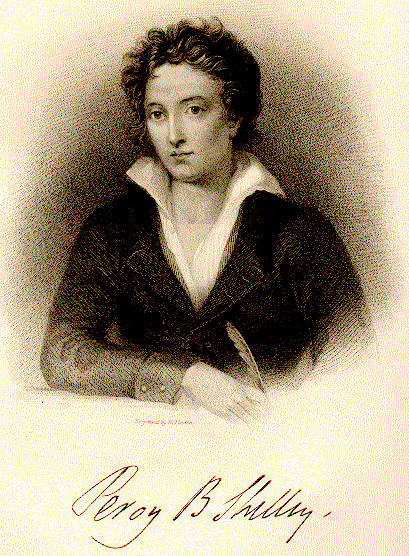
- 2 editions, 1819 and 1831; many prefer the former edition. Her husband, the Romantic poet Percy Shelley, helped her rewrite parts, MAYBE.

- Percy Shelley's poem, "Music, when Soft Voices Die":

USIC, when soft voices die,
Vibrates in the memory;
Odours, when sweet violets sicken,
Live within the sense they quicken.
Rose leaves, when the rose is dead,
Are heap'd for the belovèd's bed;
And so thy thoughts, when thou art gone,
Love itself shall slumber on."
- Walton wants to best "elemental forces" for the human race - and for himself. At saying this, the doctor chooses to warn him of this ambition by telling him his story.

- Up to Chapter 4 for Friday!

Wednesday, February 11, 2009

Analysis of a "Wuthering Heights" scene

The scene right before Heathcliff hears Catherine say it would "degrade" her to marry him, after he fought with her about going to a Lindon party and punched his fist through a glass pane, provides a lot of information about his character as he is in the movie. The 1939 Olivier performance of Heathcliff is much more glamorous than what I imagined - his formidable expressions do not communicate clear brutality and threats, though they are not pleasant. This Heathcliff is tightly controlled - it's what he has to do to pass as a gentleman, even though everyone in the area knows his history and what his plans are. He does not hide his intent on taking over Wuthering Heights and the Grange, but he puts himself in such a position that no one can stop him, and he keeps that position using the disguise of a gentleman. He sneered at finery and propriety before; it doesn't matter to him any more now, even though to look at him is too look at a well-bred young man. It's what he has to do to revenge himself on his perceived enemies, and if there is anything he is, it's determined. However repugnant the behavior and lifestyles of the upperclass are to him, he will assume those behaviors and ways to get what he wants.

After barging into Catherine's room while she's preparing for a dance, he makes his last vocalized stance against the upper class lifestyle. He accuses her of not being true to herself, of giving in to weaknesses of character, like greed, and of doing her utmost to separate them through these actions. He speaks with disdain about the company of people like Edgar and Isabella. Catherine, embarrassed at what she knows is true in this speech, and angry at being told what to do by someone she loves but sees as a servant, reacts with unsheathed claws. She points out Heathcliffe's low position, his dirtiness, and his lack of respectability; her insults are vicious and meant to maim.

She is fighting to leave her childhood behind, and Heathcliff composed the biggest, most important part of that time of her life. She enjoys the power being a lady affords her, though at a cost, and once she latches onto the possibility of more of that kind of power, she takes it and runs with it. (Leaving Heathcliff in the dust, by the way). After her attack, Heathcliff runs to the stables, collapses on his bed, and stares out the window. He is the picture of teenage disappointment, which few actors Olivier's age could pull off. His retreat is the stable, a reminder of his daily physical condition. One sees how few places there are for Heathcliff to escape to if necessary - everything either belongs to Hindley or reminds him of Catherine. There is no place for him, even in the space where he has a bed. If there is anything he can't stand, it's a sense of powerlessness, and it's a feeling and a truth that he has suffered from his entire life. It gets the better of him when he punches his window, and cuts his hand on the glass.

This Heathcliff seeks, perhaps subconsciously, some comfort or help afterwards. He meets Nelly in the kitchen and she helps him wash off his hand. It must have been nice to have someone touch him with concern, and without bothering to be careful about getting dirty herself in touching him. Still badly embarrassed and troubled by his earlier fight with Catherine, Heathcliff hides when she comes into the room to let Nelly know Edgar proposed. The way Olivier performs, it appears that some vague plan in Heathcliffe's mind achieves sharp focus, so when she says marrying him would "degrade" her, he leaves without hesitation. That iron control that kept him from acting out against his abusers as a child appears now, in the way his expression sets like concrete, and he leaves quietly and quickly.

The scenes where Heathcliff and Cathy fight, and then Heathcliff overhears her conversation with Nelly, are both moments where I was under the impression he had made himself much more vulnerable to Cathy than she to him. The way he looks at her and the language he uses, the way he speaks, when he implores her to be the person he loves, are so obvious. Anyone with the slightest ability to identify the feeling know he loves her. She, on the other hand, though they are close, prefers to keep her options open. She will consider one thing or another, but not one to the exclusion of all possibilities. She had a little more control than Heathcliff in this stage of their friendship; it hurt her to fight, but she would not back down, either. The only time this balance changes occurs when Heathcliff runs away and Catherine tries to find him. Subjecting herself to a terrible storm, she runs after him in a fit. It's as though this is his first, though intended, act of revenge: she is not willing to promise him her love the way he promised his, so in running away he causes the illness that later kills her.

What this movie provided that the book did not: in short, a glance at Heathcliffe's vulnerable side. In the book, the only time he appears vulnerable is after Nellie leaves the Grange to tell him Catherine is dead. He shrieks and slams his forehead into a tree so hard he bleeds. But in the 1939 movie, the audience sees Heathcliffe in his rare solitary moments: in bed above the stable, on the moor, etc. This early, youthful vulnerability disappears when he returns as a mature, hardened adult, but at least we see it part of the time. The movie also focused in on the great love saga between Catherine and Heathcliff, and less on the people that make up the rests of the story. Specifically, their children's engagement is never brought up because the children are never introduced. The critical moment when Heathcliff drags Catherine to the window for her last look at the moors, and she dies dramatically standing in his arms, defines the movie in its aim. It did not want to bridge the schizm these two characters created, it wanted to revel in their passionate, destructive love-fury.

Tuesday, February 10, 2009

Notes on 1939 "Wuthering Heights" film

Oh, the opening credits - I miss those. Lovely music, a score made specifically for the opening; a panorama of scenery - even the lettering of the credits is special. And who can object to Laurence Olivier or Merle Oberon?

*These are immediate reactions to the film while watched on youtube.

- An older man comes into W.H. through horrendous weather; it's Mr. Lockwood!

- Olivier is a perfect Heathcliff from the first frozen stare he directs at Lockwood - it's rather amazing. I'm well aware of how amazing an actor he is, but the way he assumes the character is startling. He yells like I imagined Heathcliff would, and gives orders like I imagined.

- Joseph is rather toned down in the beginning - even polite.

- Lockwood hears young Catherine's voice - "Let me in, let me in", and yells for Heathcliff. Instead of reading a book and finding out the name of the woman, the voice tells him her name. Heathcliffe's reaction is the same as in the book, though.

- Nelly Dean works in the house in the movie from the start of it - and she tells him the story of Catherine's life while Heathcliff is out on the moores, after her.

- This made me think that Nelly had never told this story before/

- Starts with the children, Hindley and Cathy, getting cleaned up in time for their father's return.

- Heathcliff, as a child, is immediately very attached to Mr. Earnshaw - and next, one sees him striking up a very close friendship with Catherine.

- They're so young, but they ride so dangerously! They're a reckless pair!

- Catherine gives him the idea to capture the Earnshaw fortune with, "Princes take their castles - you'll have to take your's!"

- Mr. Earnshaw dies; Mrs. Earnshaw is never introduced. Hindley forbids Heathcliff from viewing the body immediately after, and crushes him by telling him to fulfill the duty of a servant - getting a horse ready. In the movie, Heathcliff mourns his adopted father's death.

- "It was no longer the happy home of their childhood" - Hindley assumes head of the household, and Heathcliff bides his time to take revenge.

- There are already hints of Hindley's future dissipation - he has three cups of wine at the meal, and acts as abusively towards his sister as he does towards Heathcliff.

- The moment he's gone, Catherine is out on the moors - and Heathcliff joins her. "It would be dreadful it Hindley ever found out," Catherine says. She means hanging out with him. "Why can't you rescue me, Heathcliff?"

- Where are the Lindon children?? Aha. The moment when they sneak up on the Lindon's in the book, they sneak up on a party in the movie. Catherine adores seeing into that world, but Heathcliff is generally unimpressed.

- Catherine sends him away after her injury; she tells him to bring her back, "the world"; Heathcliff curses the Lindon family, and spits on the floor, promising to take over their fortune.

- "Why did you stay so long?" "Because I was having a wonderful time... among human beings." She immdiately tries to improve him, and embarrasses him in front of Edgar Lindon. He leaves instead of acquiescing to Catherine's demand to wash and neaten up.

- Cathy shows spirit when Edgar calls Heathcliff a "blackguard". She tells him to "get out!" Then she yanks off her fancy outfit and runs out on the moores, meeting with Heathcliff at their usual spot, in her old clothes. She asks his forgiveness.

- They kiss. The narrator's voice talks about Catherine's indecision between Edgar and Heathcliff. Heathcliff interrupts their preparations for a party she wants to attend, to talk to her about not talking to Edgar. She chides him for his status and dirtiness, and he's terribly hurt.

- They fight - they're very critical of each other; "That's all I've become to you, a pair of dirty hands." Then he slaps her - she's shocked. Their squabblings and criticisms are reminiscent of Cathy, Jr.'s treatment of Hareton.

- Heathcliff comes into the house and hides when Cathy comes downstairs to tell Nelly Edgar's asked her to marry him; Cathy loves him for the status she'll gain. When Nelly reminds her about Heathcliff, she gives her "it would degrade me to marry him"-speech. Personally, the Heathcliff shown is not as brutal or terrible as in the novel. The way the story is told and the way Olivier acts, it's easier to sympathize with him - probably because every detail can't be told as well in two hours.

- Heathcliff runs away - Catherine runs after him in the storm, and gets drenched. Hindley returns, drunk, and suggests celebrating Heathcliff's departure instead of looking for Cathy.

- A very ill Catherine is dragged back into the Lindon home for copious amounts of TLC. "Keep her in the sun, and give her plenty of cream and butter," says the doctor. He tells Nelly that "peace and quiet" are necessary to heal her. She hasn't spoken of Heathcliff, and he hasn't been seen since that night.

- Edgar is rather likable here - the weakness and silliness of his character in the novel don't show up here much. Catherine clearly pines for Heathcliff, but she decides on Edgar.

- Catherine assumes the role of a lady to a T; one day, three years later, Nelly tells Catherine that Heathcliff has come for a visit. She reluctantly sees him, at Edgar's coaxing, no less!

- Heathcliff is... dressed in a dark suit, and very grave. He's so sombre, and kind of gloomy. He can only stare at Catherine, nothing else; he's also very uncommunicative. Heathcliff meets Isabella. In the movie, he just bought Wuthering Heights, in a way - he says it'll be a surprise when Hindley finds out that his debts were paid by Heathcliff. Edgar expresses outrage at this, but Catherine demands, if he visits, he needs to do so with some cheerfulness.

- Hindley, by now, is always drunk; he wants to lock Heathcliff out and shoot him if he comes in. Heathcliff says, "I allow you to remain here, Hindley," as a way of exacting revenge on a withering character of a man. "I'm master here now."

- Isabella goes to visit Heathcliff after her horse goes lame - probably an excuse. She tells him she thinks her brother and sister-in-law acted "shamefully"; Heathcliff is clearly musing on more plans of revenge using her.

- Another dance party scene, this one attended by Heathcliff the Gentleman (at Isabella's request). Nelly is immediately alarmed. Catherine appears upset when she notices he's there, but she can't look away. She seems to immediately guess his plans.

- Catherine talks to Isabella about fancying Heathcliff, but the latter won't listen. She thinks Cathy is jealous. Isabella, curiously, accuses Catherine of acting with destruction in mind - like Heathcliff really is.

- Catherine visits Heathcliff at Wuthering Heights - when the two of them appear on screen together, they have a special music playing. Catherine asks him not to marry Isabella, and he says he will to get back at her. "But no, you must destroy us both with that weakness you call virtue," he says. "After this, you can think of me as Isabella's husband." Here, he does it to spite her, primarily.

- When she gets back to the Grange, Isabella is gone - she left a note. Catherine gets so upset, Edgar finally gets an inkling of how she feels about him.

- Fast-forward a bit: Mrs. Isabella Heathcliff is now somewhat aware of her husband's true nature. There's a part of her that still wants to help Heathcliffe, but he refuses to see it. She also finds out from the doctor that Catherine is very ill, and Edgar might need her. The doctor says it's beyond physical ills, "a will to die". Isabella says, "If Cathy died... I might begin to live."

- Nelly shows up to bring Isabella home for a visit, because of Catherine. Heathcliff reads it in Nelly's face, and Heathcliff runs to see her.

- Catherine is speaking in a half-crazy way, asking for heather from the castle. While Edgar does that, she's alone and Heathcliff visits. They enact the passionate, horrific goodbye-scene.
The look on Oberon's face as Catherine is almost exactly what I imagined from the book - wide-eyed, alarming, ecstatic, and crazed.

- Nelly is not involved in communications between H & C here like she is in the novel. She's present at important parts, but neither person drags her in the way they do in Bronte's book.

- Oh my! She dies in his arms, while they stare the moores one last time - she goes limp, and he's left holding her body up! That's kind of gruesome!!

- So far, Hareton hasn't made a single appearance - I suspected it, but I don't think the next generation is going to atone for the past generation's lack of love and kindness. Mrs. Heathcliff, though, made a very brief appearance at the beginning - only without the fire from before.

- Then the doctor comes along at the time Nelly's telling the story; he says he saw Heathcliff on the moores with a woman. Then, after following, he found him at the crags, dead. Nelly says, "He's with her... they've only just begun to live.... Goodbye, my wild, sweet Cathy."

Trailer for 1992 film: Juliet Binoche makes a fantastic Catherine - she's better in terms of the physicality and craziness as Catherine.